School
Indigenous Medicine

S/ 500.00

Details:

What is presented to westerners in the search for shamanism is a tradition that develops in a mythical time, unfortunately lost, where the figure of the shaman is constituted as the link between this lost space and the present. In our case, we will analyze the dynamics of the relationship between healers, shamans and users, as it is presented in the market of therapeutic resources of Peruvian traditional medicine.
School of Indigenous Medicine

Description

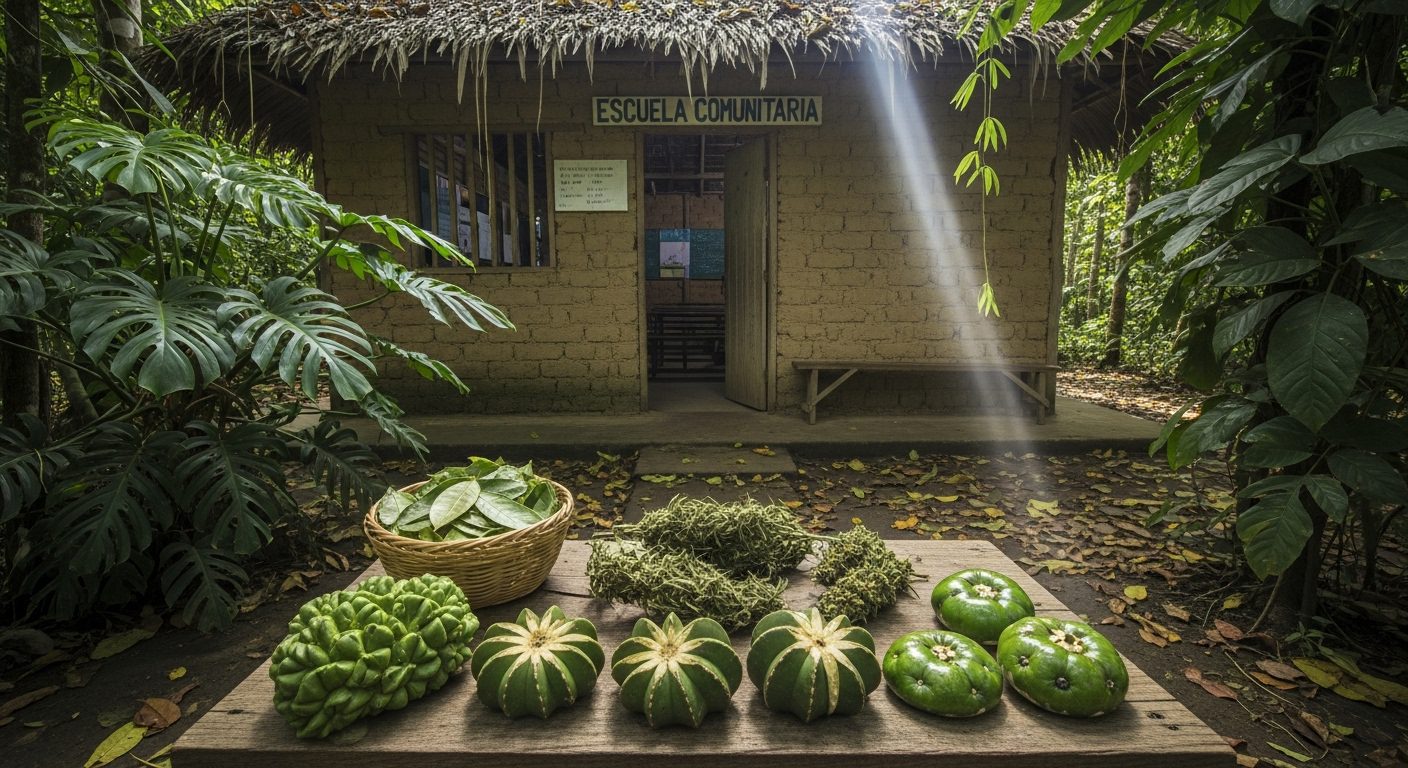
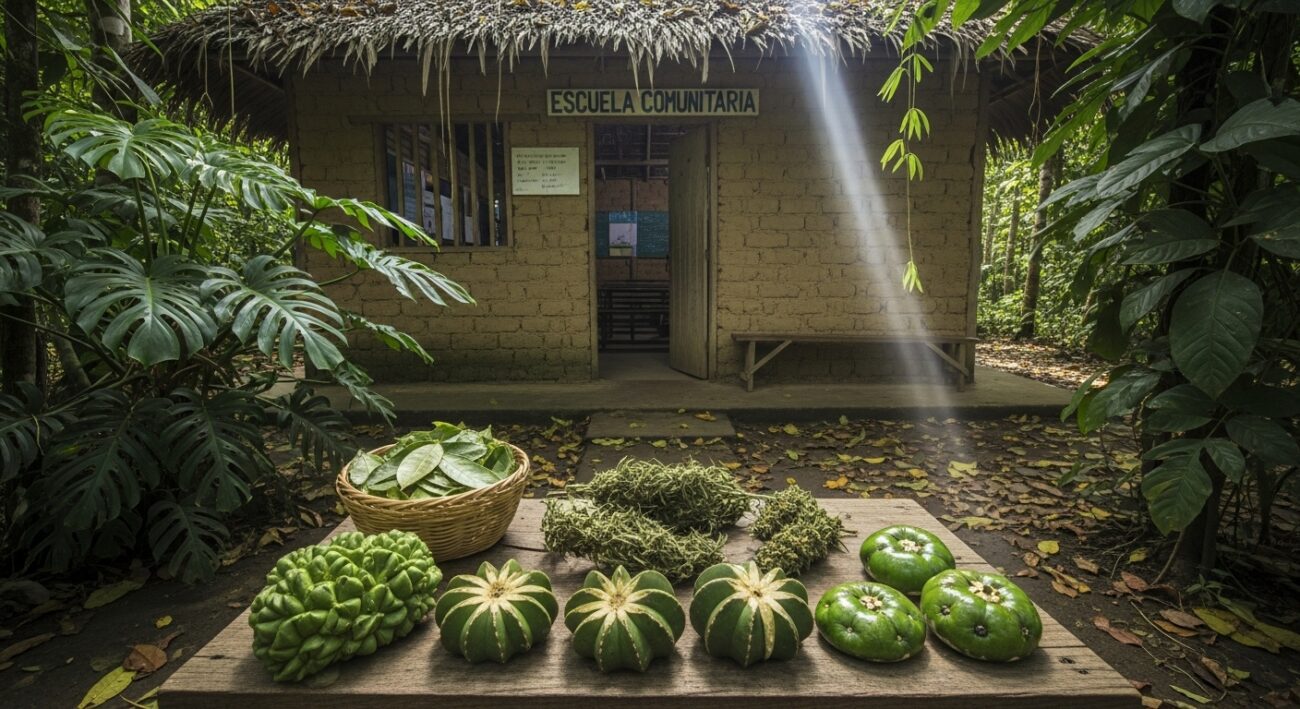
We have been working for the last 20 years with a displaced indigenous community in the Peruvian Amazon, the Shipibo-Konibo community, with whom we have managed to organize and form a core team of traditional healers. Today, these indigenous people are recognized, well trained, organized and produce various therapeutic products from their own culture.

One of the projects achieved was a grant entitled «Develop a novel psilocybin transdermal patch for the treatment of depression» awarded by Harvard H2 LAB (Harvard Innovation Health Lab), developed between May 2022 and March 2023.

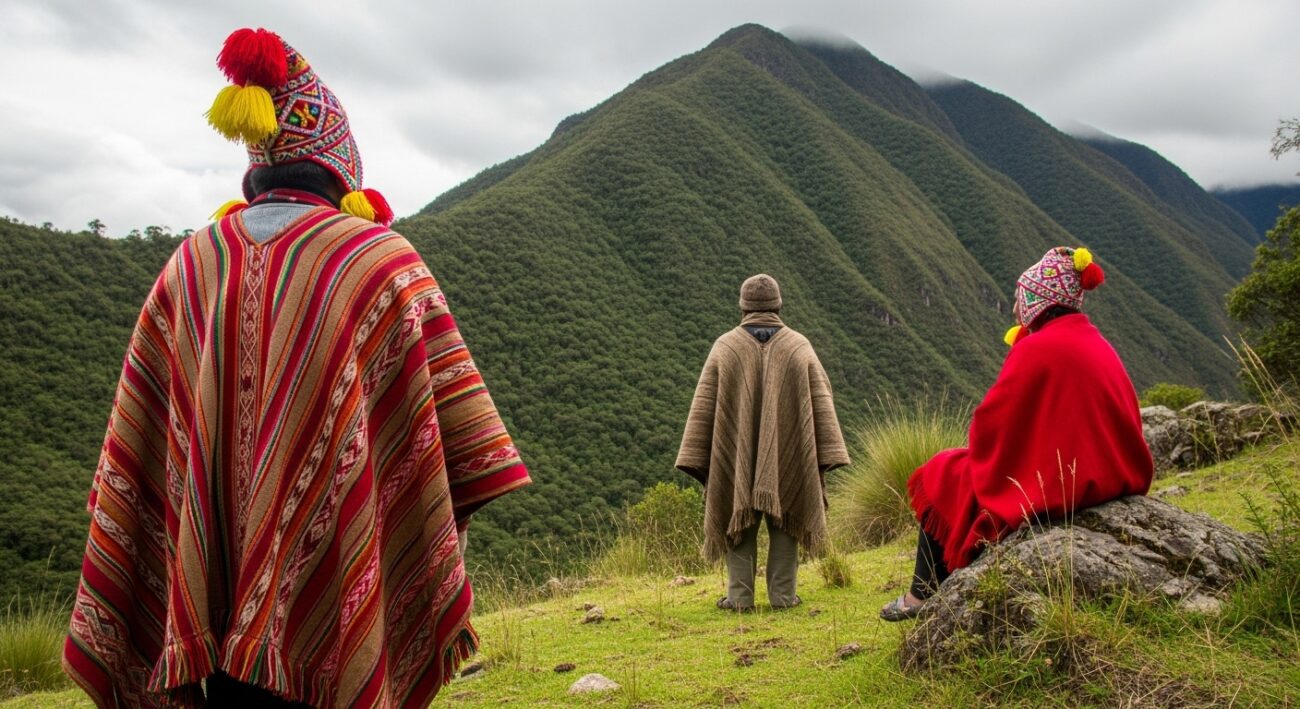
We have also formed and constituted a group of traditional Quechua healers in the Traditional Quechua Apothecary with the Taray/Pisac community, where we have currently developed 14 therapeutic formulas, already studied, tested and in the commercialization phase, all derived from the coca leaf. The academic support for this project comes from an educational institution called Kusy Kawsay, recognized with a UNESCO grant in 2023 as the Best Indigenous Educational Project.

We have initiated coordination and possible alliances with indigenous leaders in the United States to obtain support for the next steps of our Quechua indigenous coca leaf based Botica.

Objectives

  • Establish a collaborative network of indigenous knowledge bearers to facilitate the exchange of knowledge.
  • Learning valuable lessons from diverse experiences, such as those of India, Whole Foods, herbal pharmacies in Latin America and the Caribbean, and Mapuche pharmacies in Temuco.
  • Initiate support for indigenous pharmacies based on the principles of the Nagoya Protocol.
  • Facilitate dialogue with regulatory agencies for smoother integration.

Includes

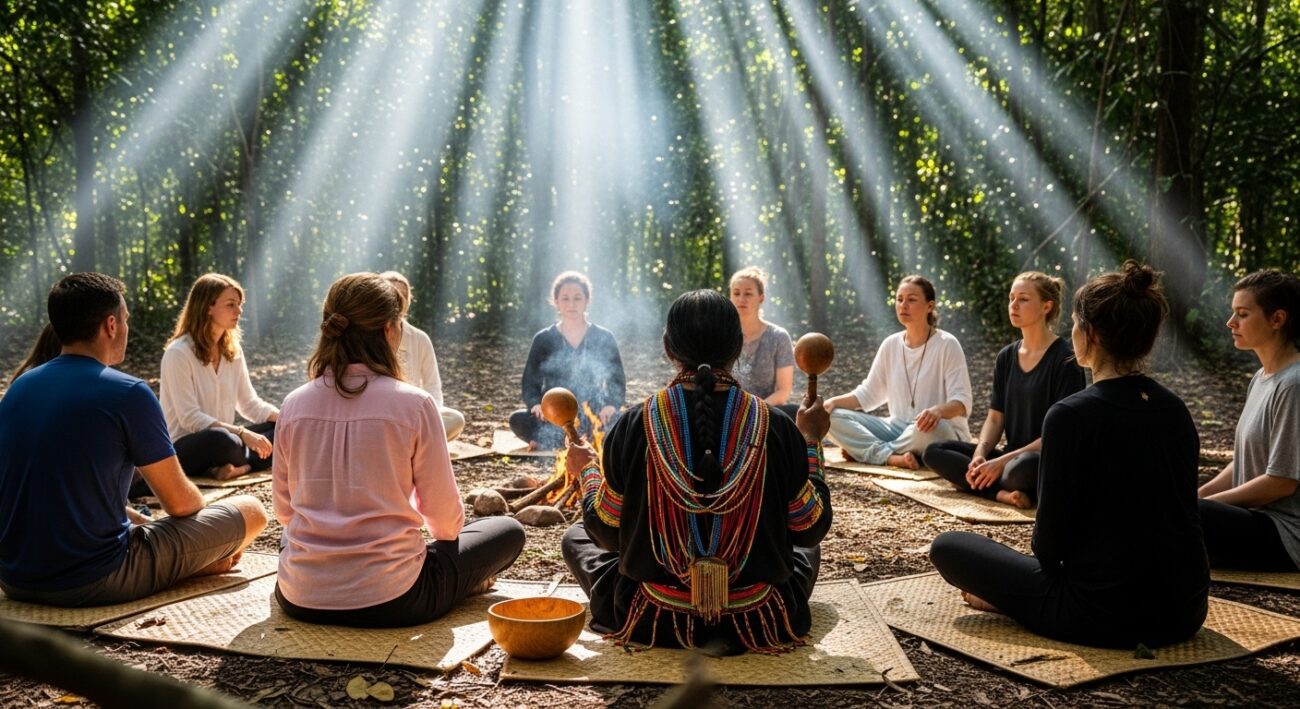
The practice of ancestral indigenous medicine, using the resources of its knowledge by neo-trained urban healers, is becoming more and more frequent -we will define these as people who of their own free will decide to learn Andean or indigenous medicine, as the case may be, in a self-taught manner with little cultural support from the original cultures - has resulted in the creation of a so-called neo-shamanism as a religious and spiritual practice, but at the same time the new instances of neo-shamanism and its planetary diffusion should be included as part of the “Altermundista” movement, which is also a child of globalization.

Thanks to the vindication of the indigenous identity, the «neo-Shamans» find a position of visibility that is welcomed and captured with particular attention in Europe.

What is presented to westerners in the search for shamanism is a tradition that develops in a mythical time, unfortunately lost, where the figure of the shaman is constituted as the link between this lost space and the present. In our case, we will analyze the dynamics of the relationship between healers, shamans and users, as it is presented in the market of therapeutic resources of Peruvian traditional medicine.

Reviews

0 reviews
0
0
0
0
0

There are no reviews yet.

Be the first to review “Escuela
Medicina Indígena”

Your email address will not be published. Required fields are marked *