
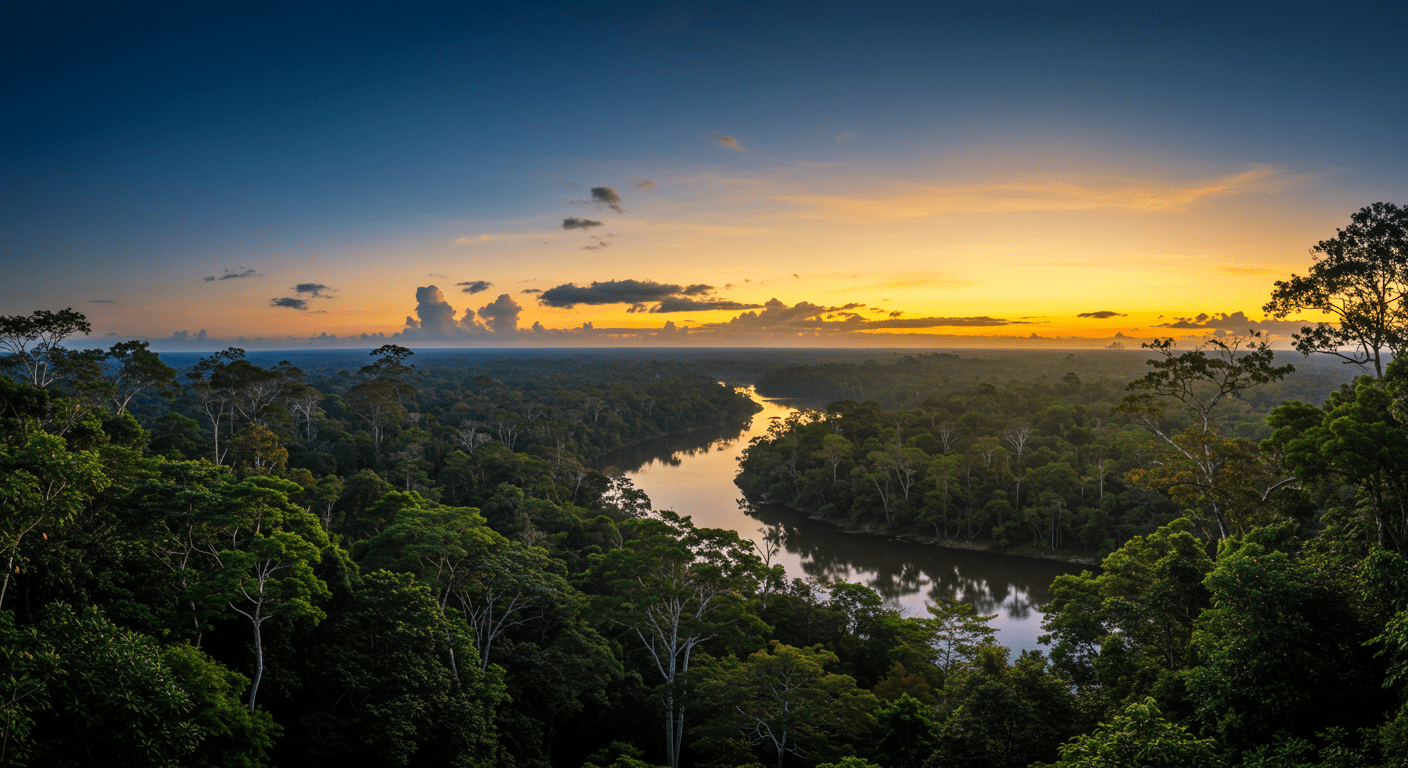
Reforestation Biodiversity and Conservation of Ayahuasca and other sacred plants
In Latin America, countries such as Peru and Chile have a rich history linked to the ancestral knowledge of indigenous and peasant communities. This knowledge encompasses the botanical and therapeutic properties of native and non-native plants, used whole or in the form of extracts. Examples include quinine from the cinchona tree for malaria, cocaine from coca leaves as an anesthetic, and iodine-rich dried seaweed to prevent goiter.
Another example comes from traditional medicine. In the 1930s, Austrian priest and botanist Martin Gusinde documented the use of more than 350 medicinal plants in Chile. More recent documentation identifies only about half that number. Many of these species are no longer found. The same is true in Peru.
Traditional medicine is increasingly used alongside modern medicine. The World Health Organization (WHO) and the Pan American Health Organization (PAHO) recognize traditional medicine and the therapeutic use of native plants. In line with these principles, in 2017, a policy paper on ethnicity and health advocated for intercultural health perspectives that include the ancestral and spiritual practices of indigenous peoples.
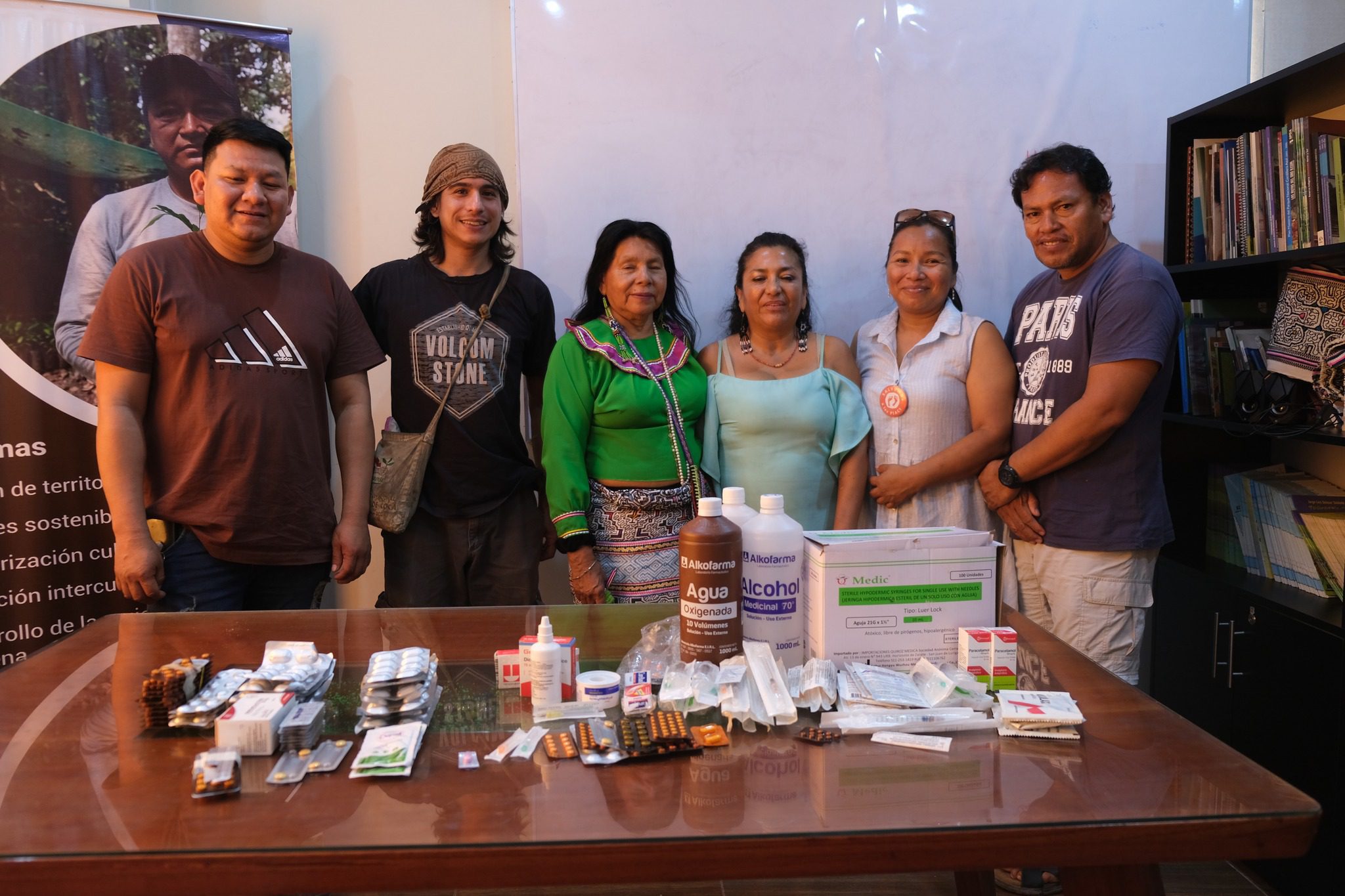
Together with Shipibo Konibo teachers in maintaining the biodiversity of the Peruvian Amazon.
On this basis, WHO organized its first global summit on Traditional and Complementary Medicine (T&CM) in 2023 to promote the integration of these safe and evidence-based practices into national health systems. Peru has recognized the role of traditional healers and practitioners, incorporating them into the national health system. In Chile, there are several intercultural hospitals that offer traditional medicine along with Western medicine, especially in the Temuco area, where most of the indigenous population lives. This integration is particularly beneficial for the treatment of respiratory and gastrointestinal problems, pain, inflammation and even mental health problems.
Biodiversity also represents an important source of new drugs, with approximately 40% of FDA-approved drugs derived from natural compounds, either directly from plants or as synthetic mimics. This is especially true for cancer drugs. Despite decades of botanical exploration, many diverse plant species have yet to be characterized and could offer key bioactive compounds for modern therapeutic drugs. This frontier opens opportunities for scientific breakthroughs supported by modern technologies.
Brazil, Costa Rica and Colombia are at the forefront of research and development, generating promising drugs derived from natural products. Although in the early stages, Peru and Chile are also showing potential with their ongoing research on marine algae with therapeutic implications.
 Quechua Pharmacy
 Shipibo-Konibo Pharmacy
